
Why Do Some Bar Crawl Groups Stay Together While Others Fall Apart at the Third Venue?
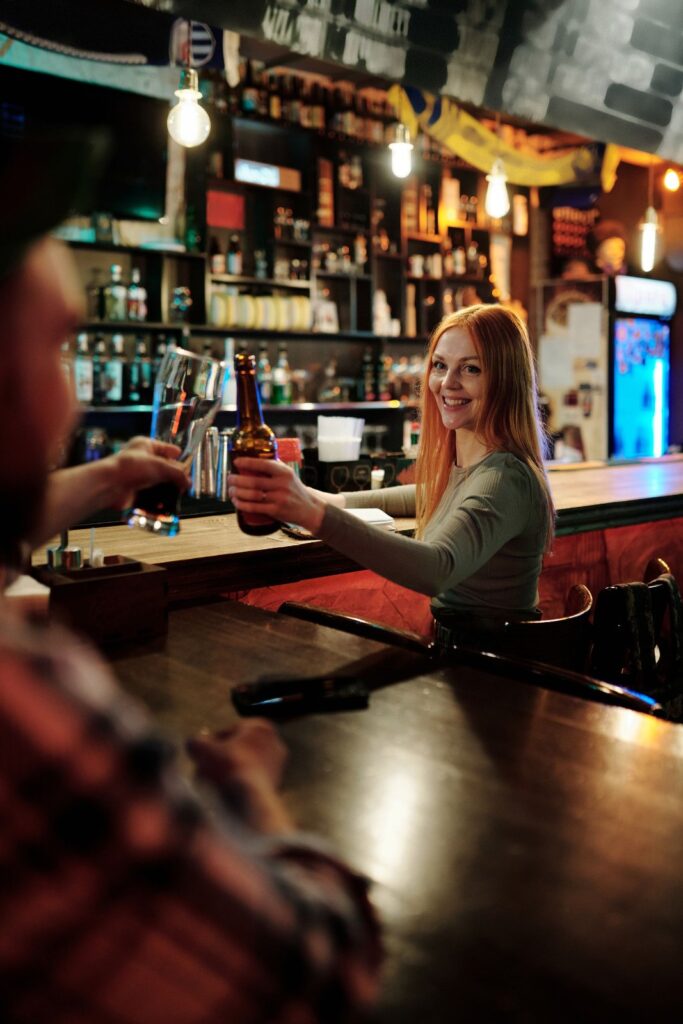
If you’ve ever organized or participated in a bar crawl in Philadelphia, you know the feeling. You start the night with a big, buzzing crew — maybe fifteen, twenty people — everyone laughing, taking photos, and hyped for the evening ahead. Then you hit the second bar. A few people peel off. By the third venue, you look around and realize your group of twenty has somehow become six. Where did everyone go? And why does this keep happening?
This is one of the most common frustrations in bar crawl culture, and it’s something that seasoned crawlers, event organizers, and groups like Barcrawlerz in Philadelphia think about constantly. The truth is, group cohesion during a bar crawl isn’t just about luck or how fun the night is — it’s about planning, psychology, social dynamics, and a handful of very avoidable mistakes. Let’s dig into what really keeps a group together and what sends people heading home before the night really gets going.
The Bar Crawl Attrition Problem: It’s More Common Than You Think
Group attrition during bar crawls is practically a universal experience. You plan for weeks, coordinate outfits, build a group chat, and still — by the time you’re at your third stop — the energy has shifted and people start disappearing. This isn’t unique to Philadelphia, but Philly’s bar scene does have some specific quirks that can either help or hurt a group’s staying power.
Philadelphia has a rich and diverse nightlife landscape, from the rowdy energy of South Street to the craft cocktail culture of Fishtown, the dive bars of Kensington, and the upscale lounges of Center City. The sheer variety of options means that different members of your group might have wildly different expectations for the night — and when those expectations don’t align, people start making their own decisions.
“The third venue is where the night is won or lost. If your group makes it past that point together, you’re almost certainly finishing the night together.”
This quote is something you’ll hear from experienced bar crawl organizers, and it holds up remarkably well in practice. The third stop is a kind of psychological checkpoint. People have had a drink or two, they’ve assessed the vibe of the night, and they’re making a decision — consciously or not — about whether they’re in for the long haul or ready to bail.
The Psychology Behind Why People Leave Early
Understanding why people leave is the first step to keeping them around. It’s rarely about having a bad time (at least not entirely). More often, it comes down to a combination of comfort, energy management, and social dynamics that are easy to overlook when you’re deep in the planning phase.
Comfort and Familiarity
People tend to stay where they feel comfortable. If your second or third venue is too loud, too crowded, too expensive, or just doesn’t match the vibe someone was hoping for, they’re going to start mentally checking out. In Philadelphia, this can happen when a bar crawl route moves too quickly between very different types of venues — say, from a chill neighborhood bar in Brewerytown to a packed club in Old City. The tonal whiplash can be jarring enough to send people home.
The Energy Drain Factor
Bar crawls are physically demanding. You’re walking, standing, talking loudly over music, and navigating crowds for hours. People who didn’t eat enough before the crawl, wore uncomfortable shoes, or underestimated how cold a Philadelphia winter night can get are going to start fading fast. By the third venue, the physical toll is real — and some people just don’t have the reserves to keep going.
Social Anxiety and Group Size
Ironically, larger groups can sometimes be harder to keep together than smaller ones. When you have twenty or more people, subgroups naturally form. If those subgroups don’t feel connected to the larger whole, they start making independent decisions. Someone in the outer circle of the group might feel invisible or disconnected, and leaving becomes an easy option. This is especially true if the group organizer isn’t actively working to keep everyone engaged and included.
The “I’ll Just Catch Up Later” Trap
This one is classic. Someone steps outside for air, or hangs back to finish a conversation, and tells the group they’ll meet them at the next spot. But the next spot is three blocks away in a direction they’re not totally sure of, and by the time they figure it out, the group has already moved on. In a city like Philadelphia, where bar districts can be spread across different neighborhoods, this kind of logistical disconnect is a real group-killer.
What Separates the Groups That Stay Together
Now for the good stuff. The bar crawl groups that make it through all five, six, or seven venues together aren’t just lucky — they’ve usually got a few key things working in their favor, whether they planned for them intentionally or stumbled into them naturally.
Strong Leadership and a Clear Plan
Every successful bar crawl has a point person. Someone who knows the route, has the list of venues, keeps track of the time, and makes sure no one gets left behind. This doesn’t have to be a bossy or controlling role — it’s more about being the social glue that holds everything together. The best bar crawl leaders are enthusiastic, inclusive, and good at reading the room.
Working with an organized bar crawl service like Barcrawlerz in Philadelphia takes a lot of this pressure off. When the route is already planned, the venues are already lined up (sometimes with drink specials or reservations in place), and there’s a structure to follow, the organizer can focus on being present and fun rather than stressed and distracted.
A Thoughtfully Curated Route
The route matters enormously. A well-designed bar crawl route in Philadelphia takes into account walking distances, the flow of energy from venue to venue, and the overall arc of the night. You want to start somewhere comfortable and accessible, build energy through the middle, and peak at a venue that feels like a worthy destination.
A route that zigzags across the city, requires multiple Ubers, or includes a venue with a two-hour wait is going to bleed group members at every stop. The best routes feel almost effortless — like the night is unfolding naturally rather than being forced.
Shared Investment in the Experience
Groups that stay together are usually groups where everyone feels genuinely invested in the night. This often comes down to how the event was framed and built up beforehand. If people feel like they’re part of something — a birthday celebration, a themed crawl, a charity event — they’re much more likely to stick around because leaving feels like letting the group down.
Themed bar crawls are particularly effective at this. When everyone’s dressed as their favorite movie character or sporting the same silly accessory, there’s a social contract in place. You’re part of something visible and fun, and leaving early means giving that up.
“Themed crawls create identity. When you’re all wearing Santa hats or neon colors, you’re not just a random group of people at a bar — you’re a crew. And crews don’t abandon each other.”
Built-In Social Rituals and Games
One of the most underrated tools for keeping a bar crawl group together is having structured activities that happen at each stop. This could be a drinking game, a scavenger hunt element, a group photo challenge, or even just a designated “cheers” moment when you arrive at each new venue.
These rituals serve a dual purpose: they give people something to do (which helps with social anxiety and awkward silences), and they create shared memories that make the night feel cohesive rather than just a series of disconnected stops. When people are having fun doing something together, they don’t want to leave.
Philadelphia-Specific Factors That Affect Group Cohesion
Philadelphia’s bar scene is incredible, but it comes with some specific challenges and opportunities that are worth understanding if you’re planning a crawl here.
Neighborhood Distances and Navigation
Philly’s neighborhoods are wonderfully distinct, but they’re not always close together. A bar crawl that tries to cover too much geographic ground — say, starting in Northern Liberties and ending in South Philly — is going to spend a lot of time in transit, which kills momentum. The best Philadelphia bar crawls tend to stay within one or two adjacent neighborhoods where walking between venues is easy and the vibe stays consistent.
Popular crawl-friendly corridors include East Passyunk Avenue, the stretch of bars along 2nd Street in Fishtown, the Rittenhouse Square area, and the classic South Street run. Each of these areas has enough variety to keep things interesting without requiring everyone to hop in a rideshare every twenty minutes.
Weather and Seasonal Considerations
Philadelphia weather can be unpredictable, and it has a real impact on bar crawl group cohesion. A cold, rainy night in January is going to test even the most committed group. People who are freezing between venues are going to start calculating whether the next bar is really worth it. Smart Philadelphia bar crawl planners account for this by keeping walking distances short in winter, choosing venues with outdoor heaters if the crawl has any outdoor components, and making sure the group has a warm, welcoming destination at each stop.
Summer crawls in Philadelphia come with their own challenges — heat, humidity, and the competition from outdoor events and festivals. The key is building a route that feels refreshing and exciting rather than exhausting.
The Philly Crowd Factor
Philadelphia bar-goers are famously passionate and opinionated. Philly has a strong local bar culture, and residents take pride in their neighborhood spots. This is actually a huge asset for bar crawls — there’s always something genuinely exciting to discover, and local bartenders tend to be knowledgeable, friendly, and good at making groups feel welcome. But it also means that a bar crawl that lands in a venue that’s clearly not a fit for the crowd is going to feel out of place quickly.
Choosing venues that match the energy and personality of your group — whether that’s craft beer bars, dive bars, cocktail lounges, or sports bars — is crucial. Barcrawlerz specializes in helping groups find the right mix of Philadelphia venues for their specific vibe, which is one of the biggest advantages of working with a local expert rather than trying to piece together a route on your own.
The Role of Communication Before and During the Crawl
One of the most overlooked factors in bar crawl group cohesion is communication — both in the days leading up to the event and during the crawl itself.
Pre-Crawl Communication
The more people know about what to expect, the more likely they are to come prepared and stay engaged. Share the route in advance (or at least the general plan), let people know what the dress code or theme is, remind them to eat beforehand, and give them a realistic sense of how long the night will run. People who feel informed and prepared are far less likely to bail early because they’re tired, underdressed, or surprised by something they didn’t expect.
A group chat is essential. Not just for logistics, but for building excitement and social momentum before the night even starts. When people are engaged in the conversation leading up to the crawl, they’re more emotionally invested in showing up and staying.
Real-Time Communication During the Crawl
During the crawl itself, the group chat becomes a lifeline. Anyone who gets separated can quickly figure out where the group is. Stragglers can get updates on which venue is next. People who stepped away can rejoin without feeling like they’ve missed too much.
Some experienced crawl organizers also use a buddy system — pairing people up so that no one is ever navigating alone. This is especially useful for larger groups or crawls that include people who don’t know each other well.
How Professional Bar Crawl Services Change the Game
There’s a reason that organized bar crawl services have become so popular in cities like Philadelphia. Planning a bar crawl that actually works — one that keeps people together, moves smoothly, and delivers a genuinely great night — takes a lot of effort and local knowledge.
Barcrawlerz is built around solving exactly this problem. By handling the logistics, curating the route, coordinating with venues, and bringing the kind of structure that keeps groups cohesive, they take the stress off the organizer and let everyone focus on having a great time. Whether you’re planning a birthday party, a bachelorette weekend, a corporate team outing, or just a big night out with friends, having professionals handle the details makes a massive difference.
When venues know you’re coming, when drink specials are lined up, and when the route has been designed with flow and fun in mind, the whole night just feels different. There’s less friction, less confusion, and far fewer moments where people are standing around wondering what happens next — which is exactly when people start making the decision to head home.
“The best bar crawls feel effortless. But effortless takes planning. That’s the paradox every great crawl organizer understands.”
Practical Tips for Keeping Your Group Together All Night
Let’s get concrete. If you’re planning a bar crawl in Philadelphia and you want to make sure your crew makes it to the last venue together, here are some actionable strategies that actually work.
Set a Realistic Group Size
Bigger isn’t always better. Groups of eight to fifteen people tend to be the sweet spot for bar crawls. Large enough to feel like a real event, small enough to move efficiently and stay connected. If your guest list is pushing thirty or forty people, consider splitting into two coordinated groups or working with a service like Barcrawlerz that has experience managing larger crowds.
Choose Venues with Enough Space
Nothing kills group energy faster than arriving at a bar that’s already packed to capacity and can’t accommodate your crew. Make reservations or coordinate with venues in advance. This is one of the biggest logistical advantages of using a professional bar crawl service — they’ve already built those relationships and know which Philadelphia bars can handle groups well.
Keep the Pace Comfortable
Rushing through venues is just as damaging as lingering too long. Give people enough time to settle in, order a drink, have a conversation, and actually enjoy the space before moving on. A good rule of thumb is forty-five minutes to an hour per venue, though this can flex based on how the night is going.
Have a Designated “Sweep” Person
Beyond the main organizer, designate someone as the sweep — the person who makes sure no one gets left behind when the group moves from one venue to the next. This person does a quick headcount, checks the bathrooms and outdoor areas, and makes sure everyone knows where the group is headed next.
Build in a Food Stop
This might sound counterintuitive for a bar crawl, but a mid-crawl food stop can be a game-changer for group cohesion. It gives people a chance to recharge, sober up slightly, and reset their energy for the second half of the night. In Philadelphia, this is easy — the city has incredible late-night food options, from cheesesteaks to tacos to pizza by the slice. A food stop also gives stragglers a chance to catch up with the group in a more relaxed setting.
Celebrate Milestones Together
Make arriving at each new venue feel like an event. A group toast when you walk in, a quick photo, a funny ritual — whatever works for your crew. These small moments of shared celebration reinforce the sense that you’re all in this together, and they give people a reason to be excited about the next stop rather than thinking about calling it a night.
When Groups Do Fall Apart: How to Handle It Gracefully
Even with the best planning, sometimes groups shrink over the course of the night. People get tired, situations change, and life happens. The key is handling it gracefully so that the people who do leave feel good about it and the people who stay feel energized rather than deflated.
If someone needs to head out, acknowledge it warmly and without guilt-tripping. Thank them for coming, tell them you’ll share photos, and keep the energy positive. A graceful goodbye keeps the friendship intact and leaves the door open for the next crawl. The worst thing you can do is make someone feel bad for leaving — that just poisons the memory of the whole night for everyone involved.
For the remaining group, a quick energy reset can work wonders. Acknowledge the change, maybe regroup at the bar, and recommit to having a great time together. The night doesn’t have to be over just because the group got smaller.
Why Philadelphia Is One of the Best Cities for Bar Crawls
We’d be remiss not to celebrate just how good Philadelphia is as a bar crawl destination. The city has an incredible density of bars and restaurants, a strong culture of going out and celebrating, and neighborhoods with distinct personalities that make for genuinely interesting and varied crawl routes.
From the historic charm of Old City to the indie cool of Fishtown, from the neighborhood warmth of Manayunk to the electric energy of Center City on a weekend night, Philadelphia offers something for every kind of group. The city’s BYOB culture also means that some crawl routes can incorporate restaurant stops in a unique way that you don’t get in many other cities.
And then there’s the people. Philadelphia bar-goers are some of the most genuine, passionate, and fun you’ll find anywhere. There’s a real culture of camaraderie in Philly bars — strangers become friends, regulars welcome newcomers, and the spirit of the night tends to be inclusive and celebratory. That’s a great foundation for any bar crawl.
Making the Most of Your Next Philadelphia Bar Crawl
Whether you’re a first-time organizer or a seasoned crawl veteran, the lessons here are pretty consistent: plan thoughtfully, communicate clearly, choose your route wisely, and create the conditions for shared fun rather than just hoping it happens on its own.
If you want to take the guesswork out of it, connecting with Barcrawlerz is one of the smartest moves you can make. They know Philadelphia’s bar scene inside and out, they’ve run countless successful crawls, and they’ve figured out what actually keeps groups together from the first venue to the last. That’s the kind of local expertise that turns a good night into a legendary one.
The third venue doesn’t have to be where your group falls apart. With the right planning, the right route, and the right energy, it can be where things really start to click — where the night finds its rhythm and everyone realizes they’re exactly where they want to be, together, in one of the greatest bar cities in America.
So start planning, pull your crew together, and get ready to prove that your group is one of the ones that makes it all the way to the end. Philadelphia is waiting, and the night is going to be great.